 Skip to content

8 Effective Tips for Cutting Calories From Your Meals
Reducing calories shouldn’t mean losing out on taste or satisfaction. There are many easy and creative ways to make simple changes in ingredient substitutions and cooking techniques to reduce the caloric content while still enjoying your food. Making these changes over time in moderation and consistently can lead to significant calorie savings and a successful weight loss management plan:
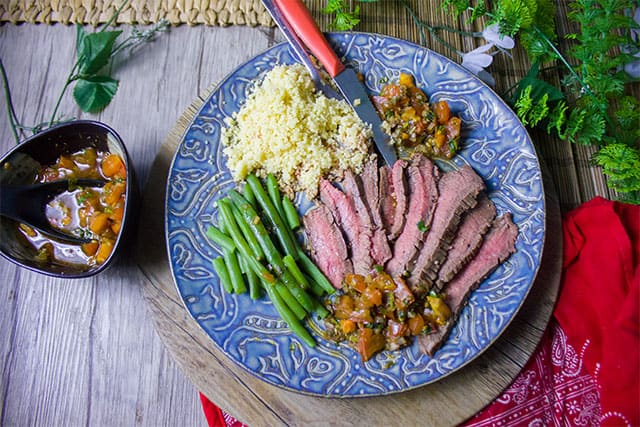
Opt for Lean Protein Sources
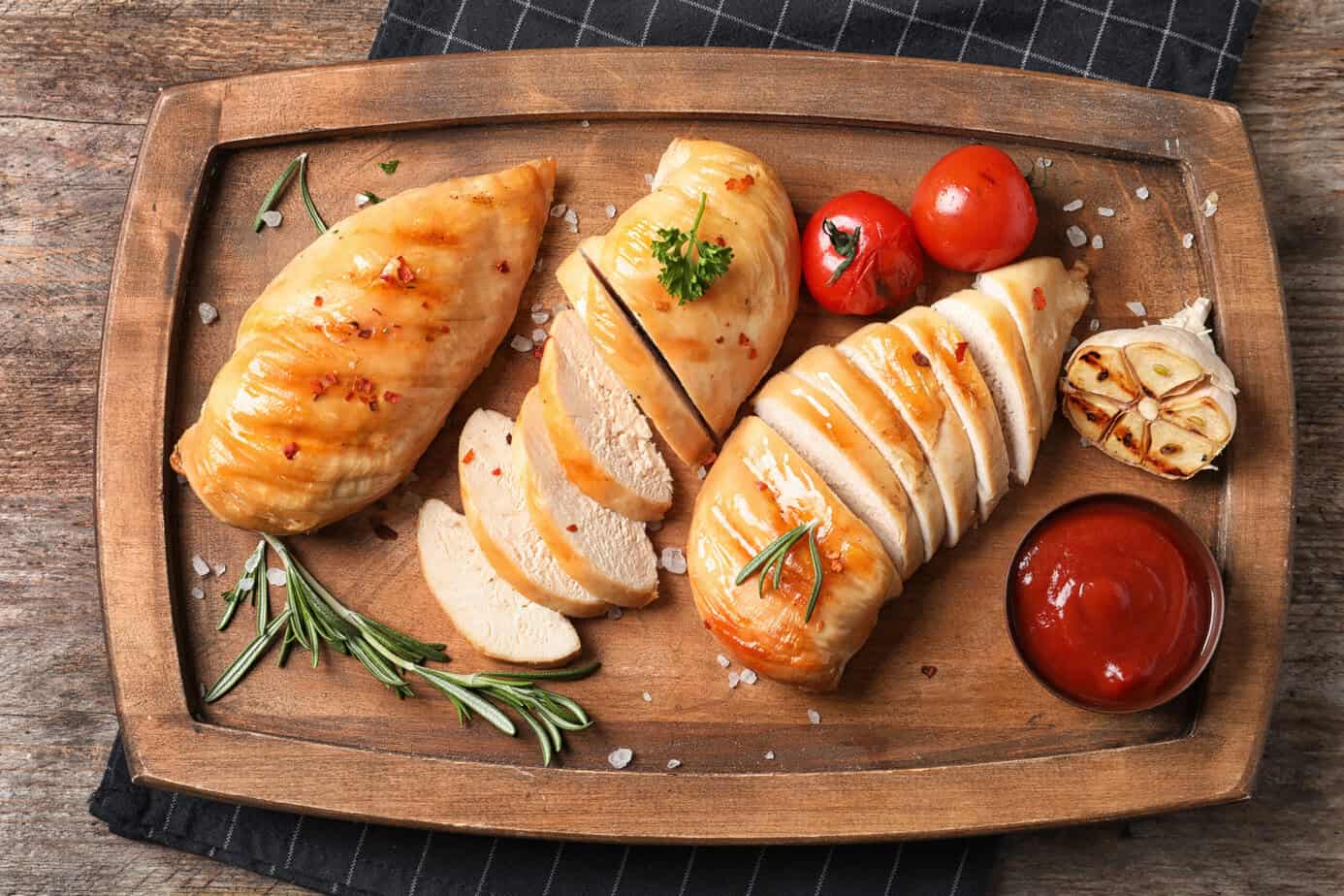
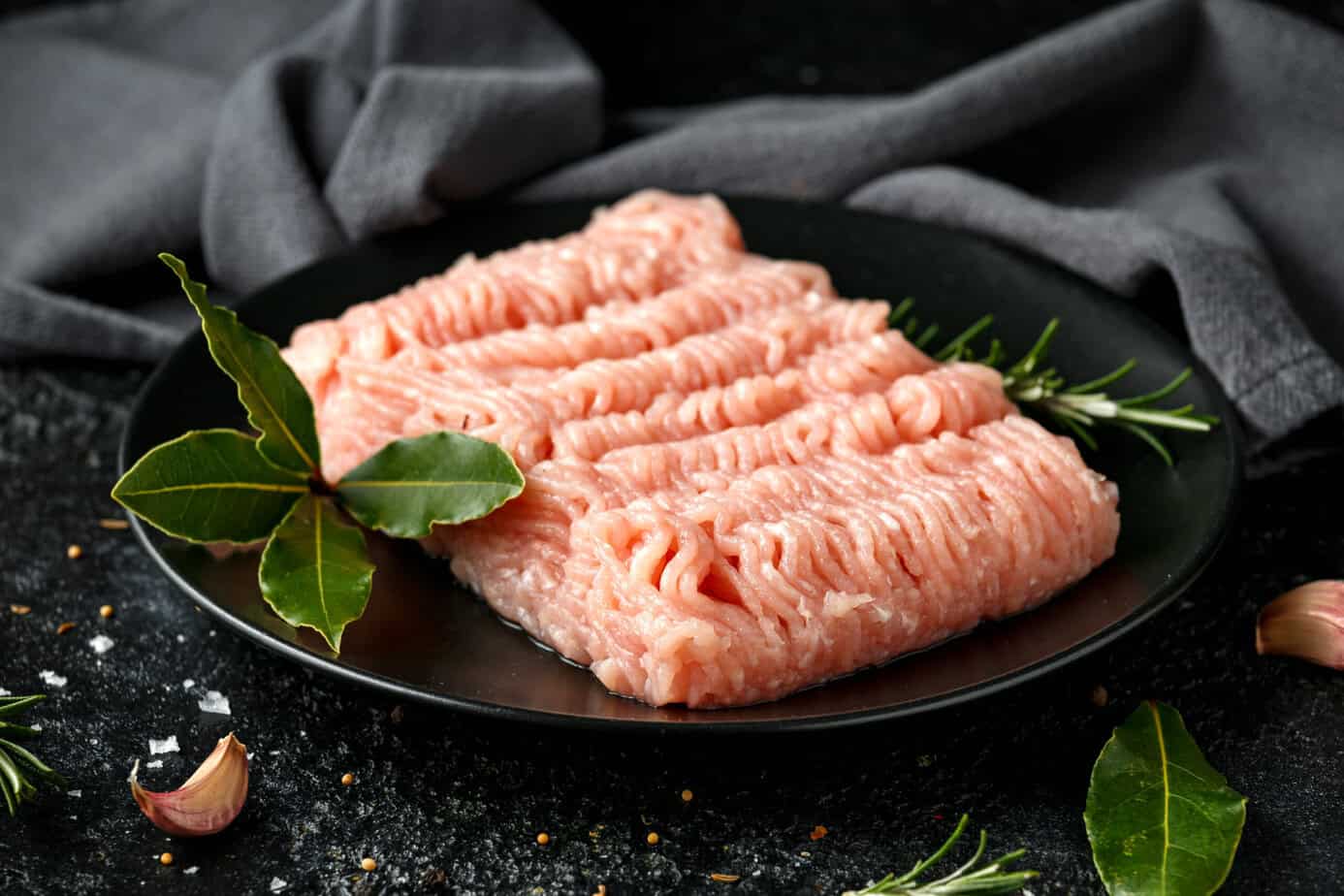
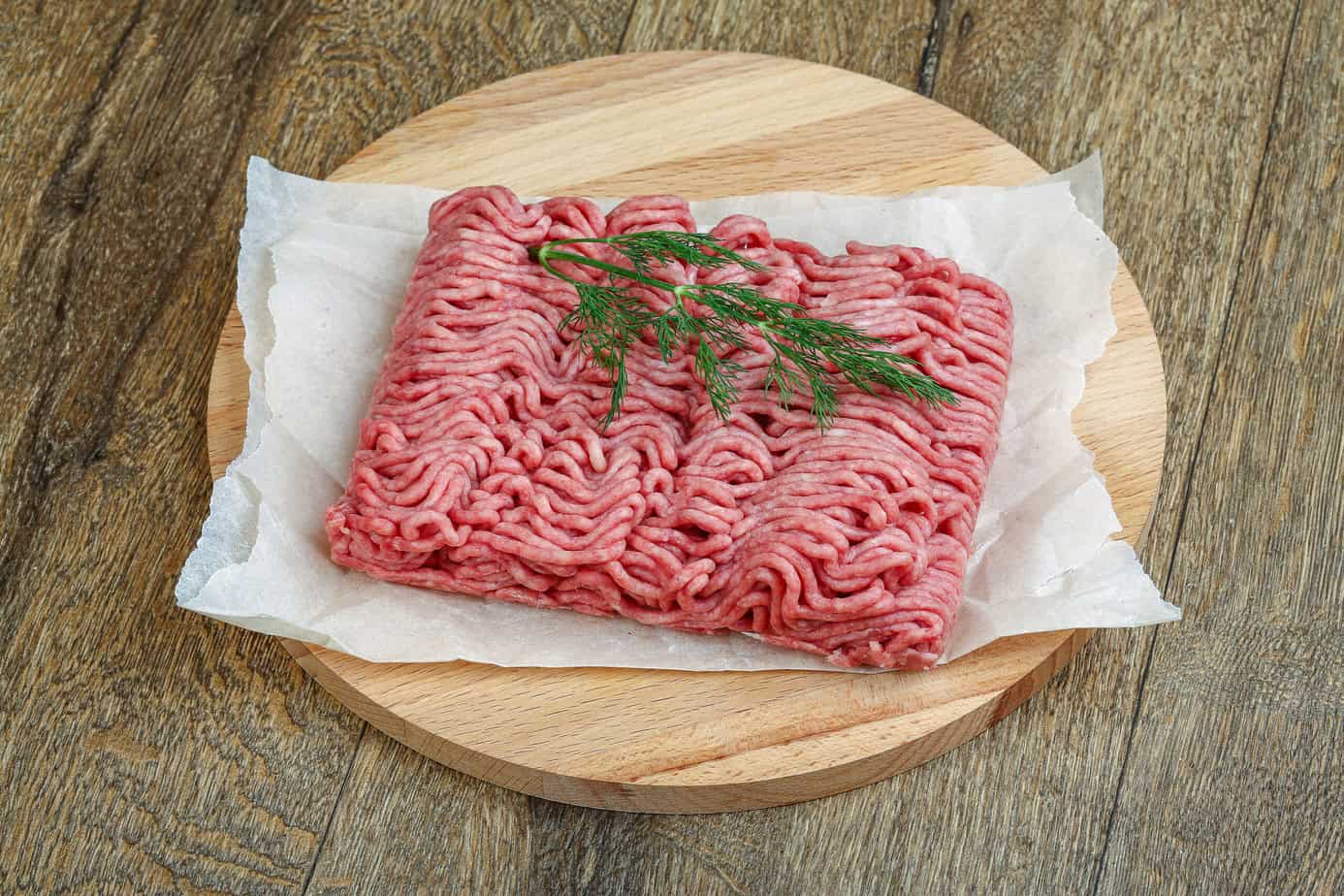
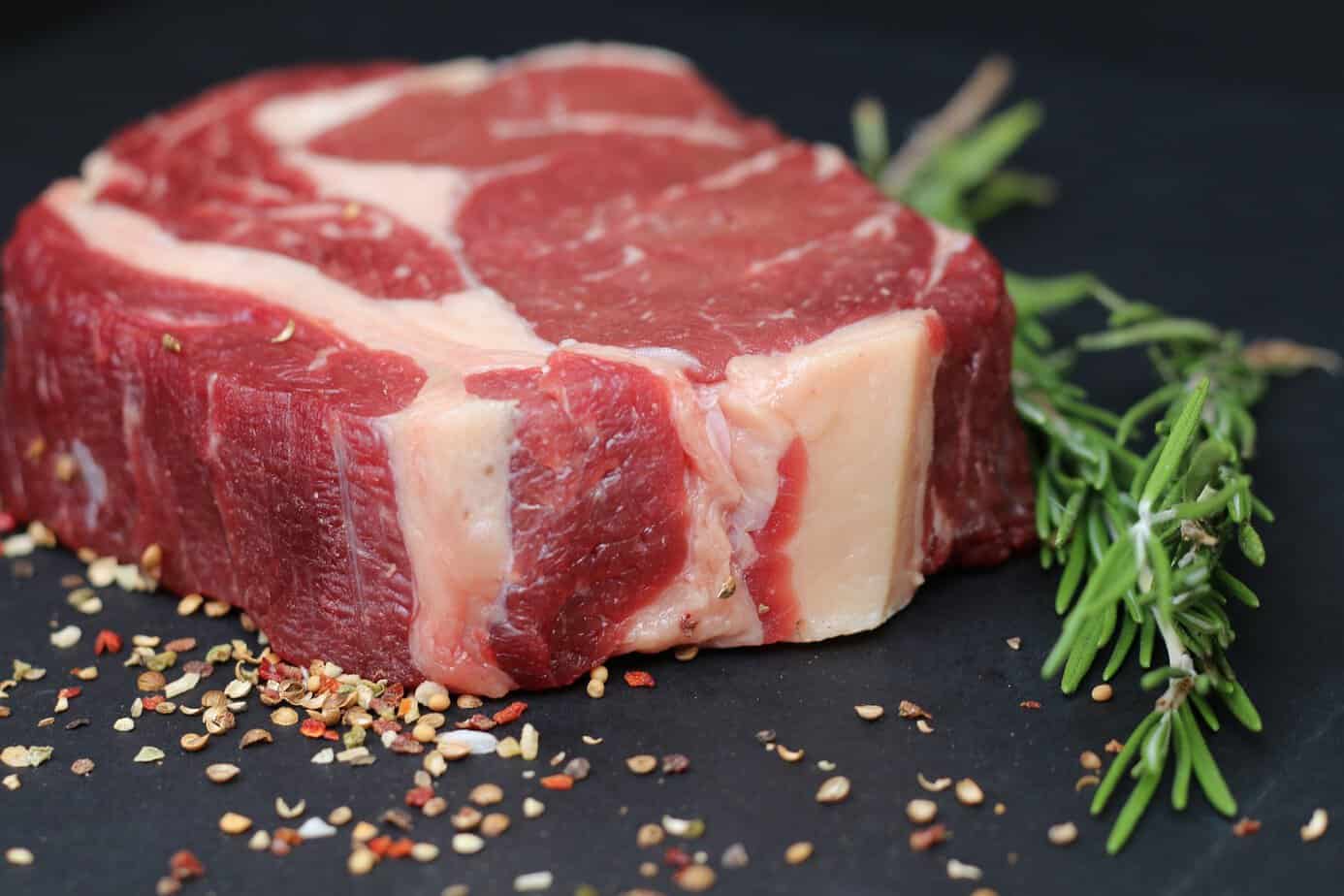
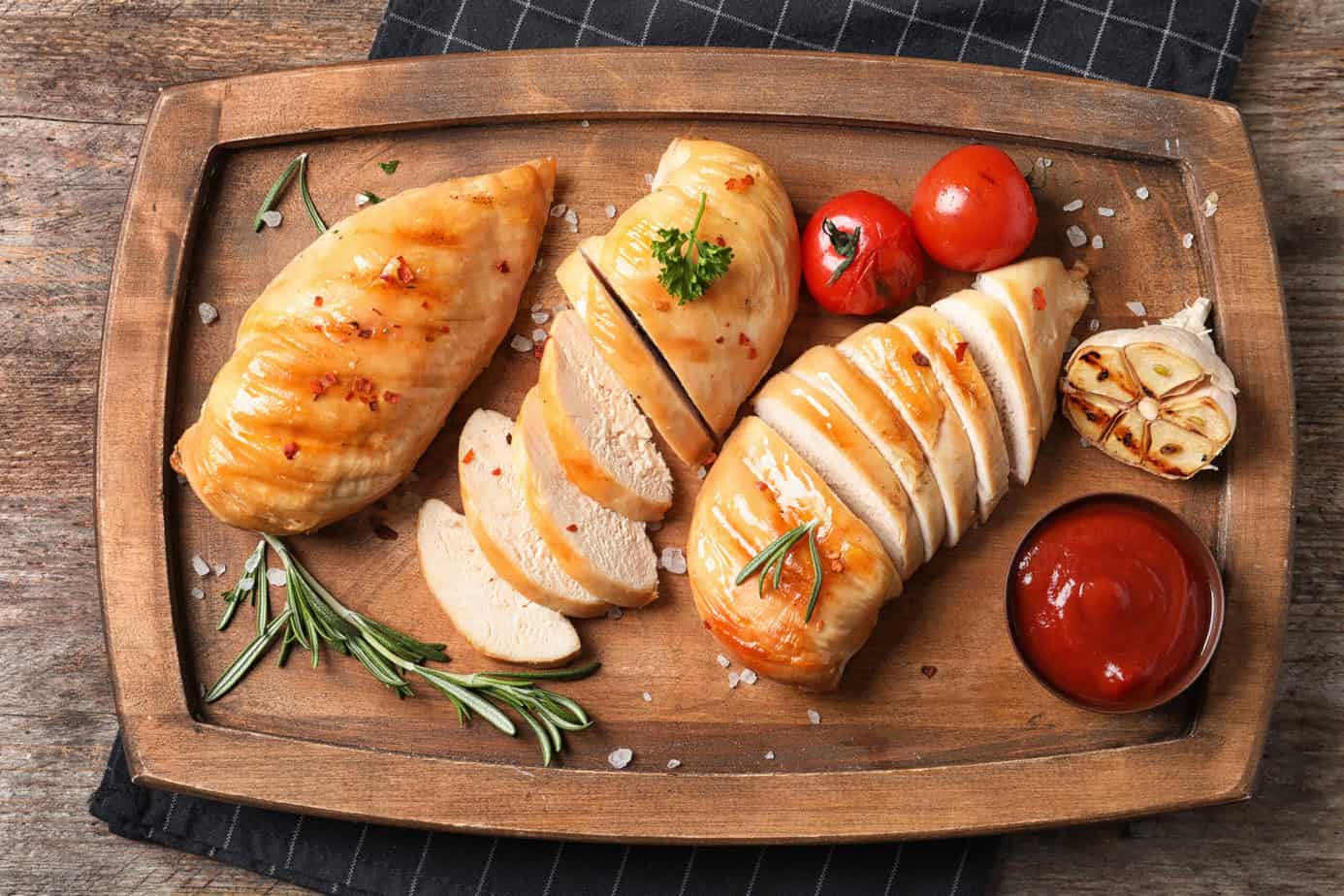
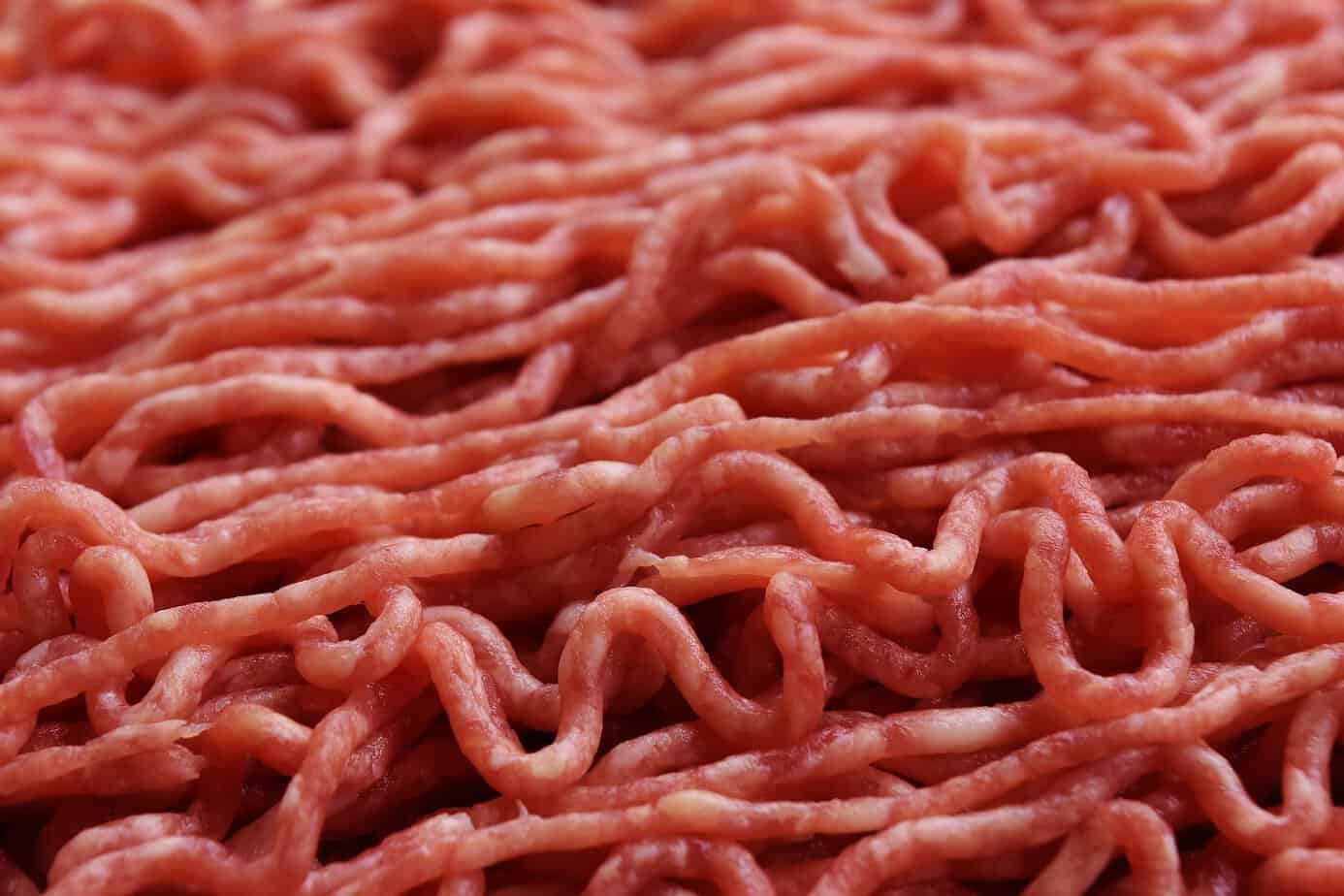
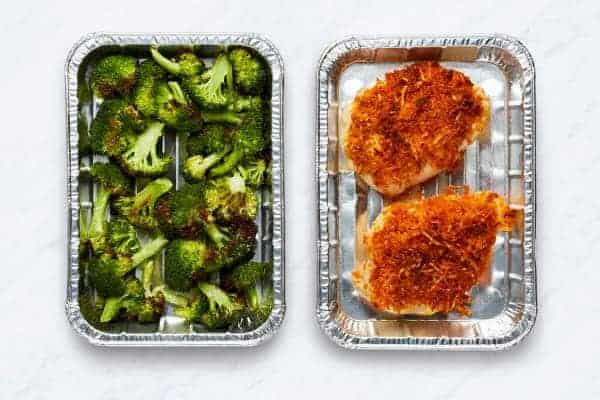
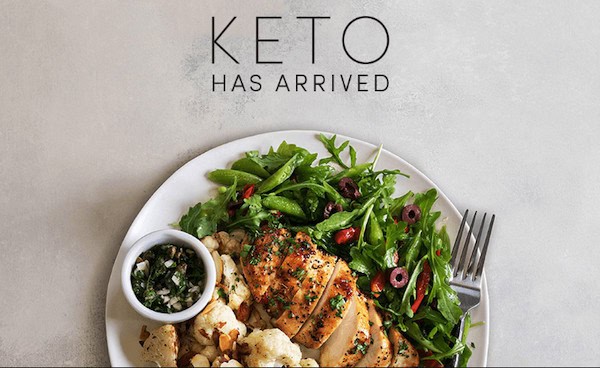
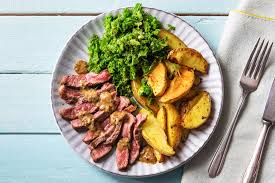
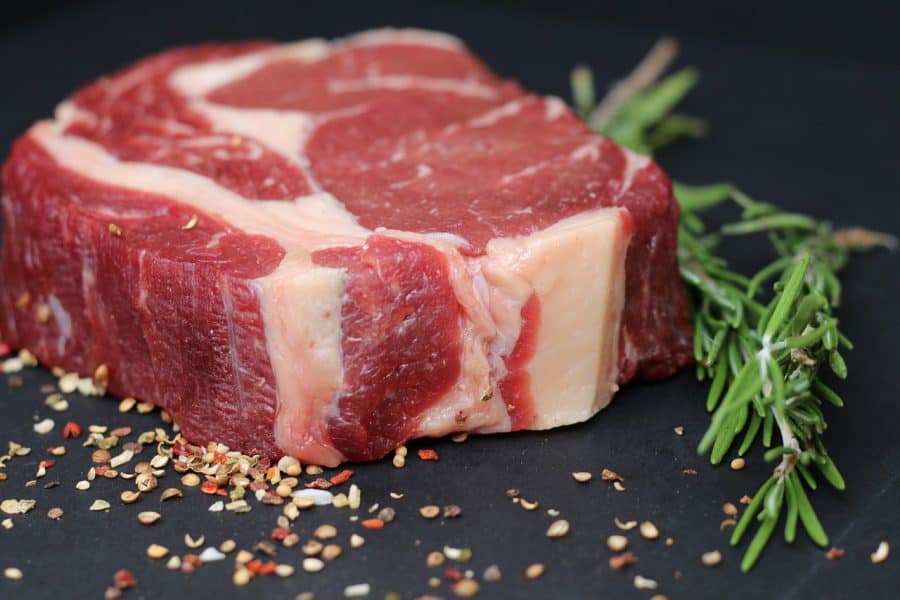
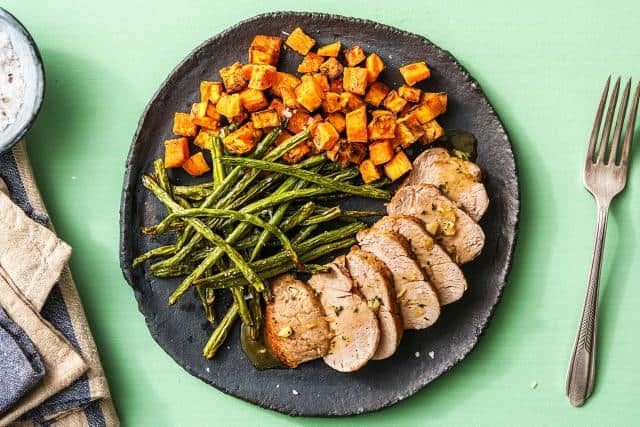
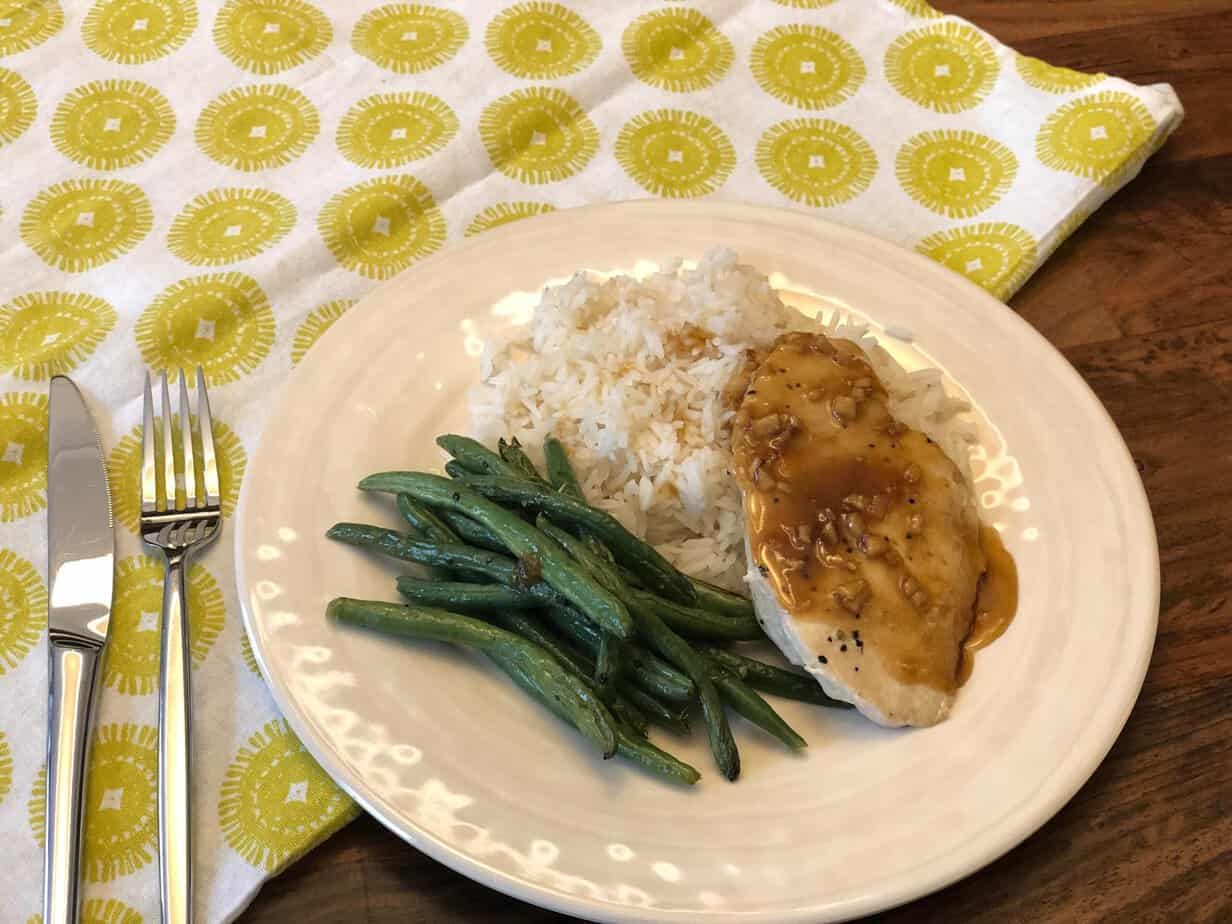
You want to preserve muscle health and growth when restricting calories so they aren’t consumed for energy. Lean protein sources like chicken and poultry are healthier alternatives to beef or fattier meats. They are also lower in calories and cholesterol.
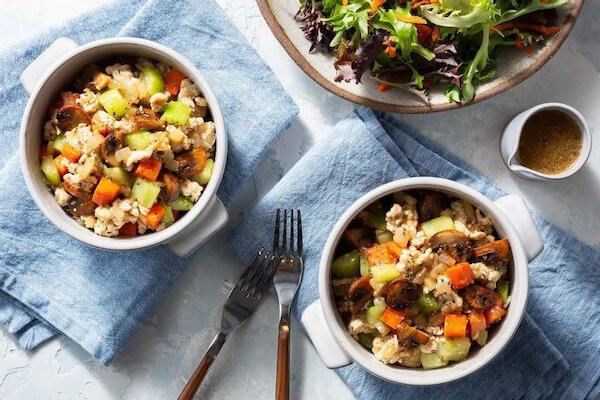
Increase Vegetable Portions in Meals
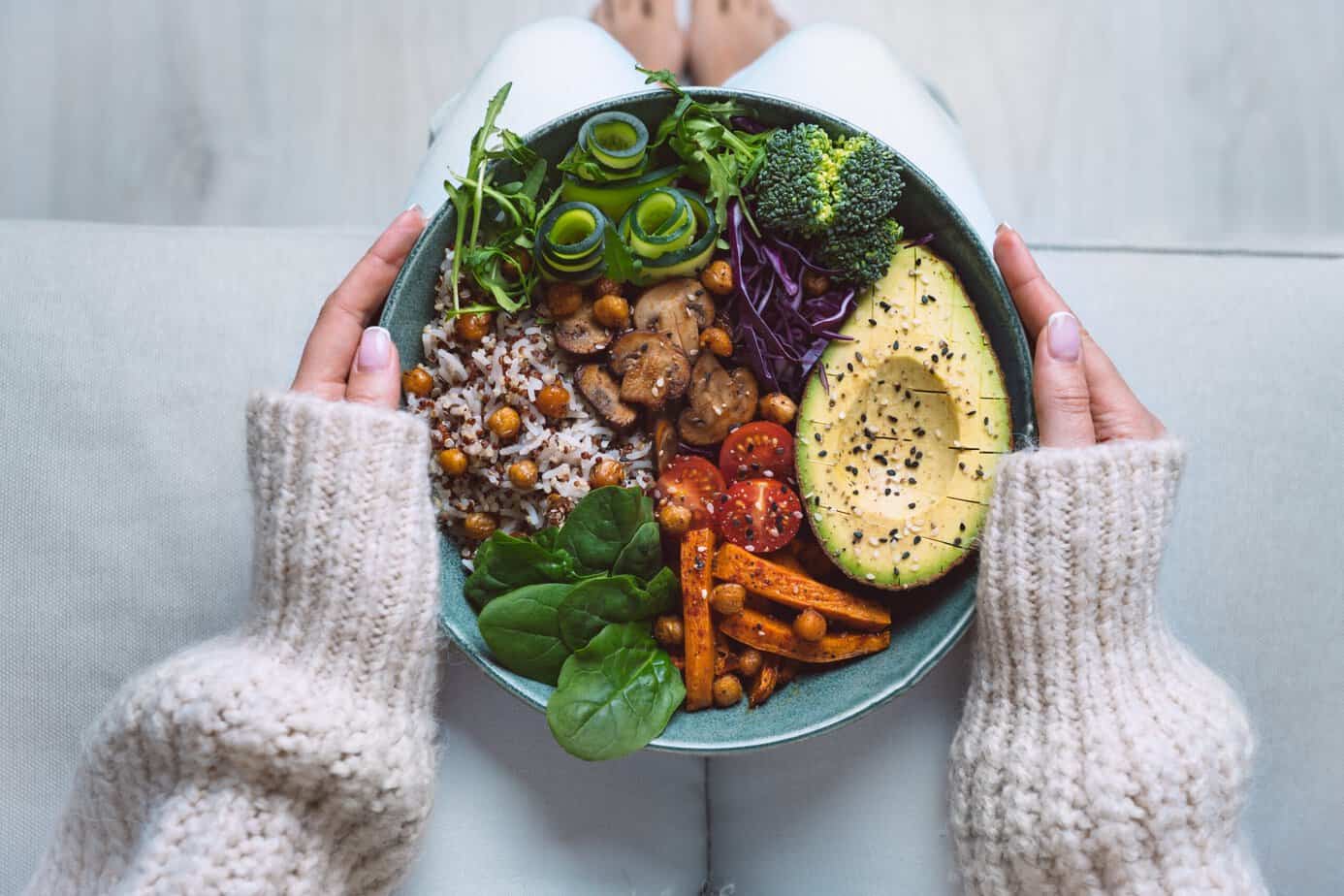
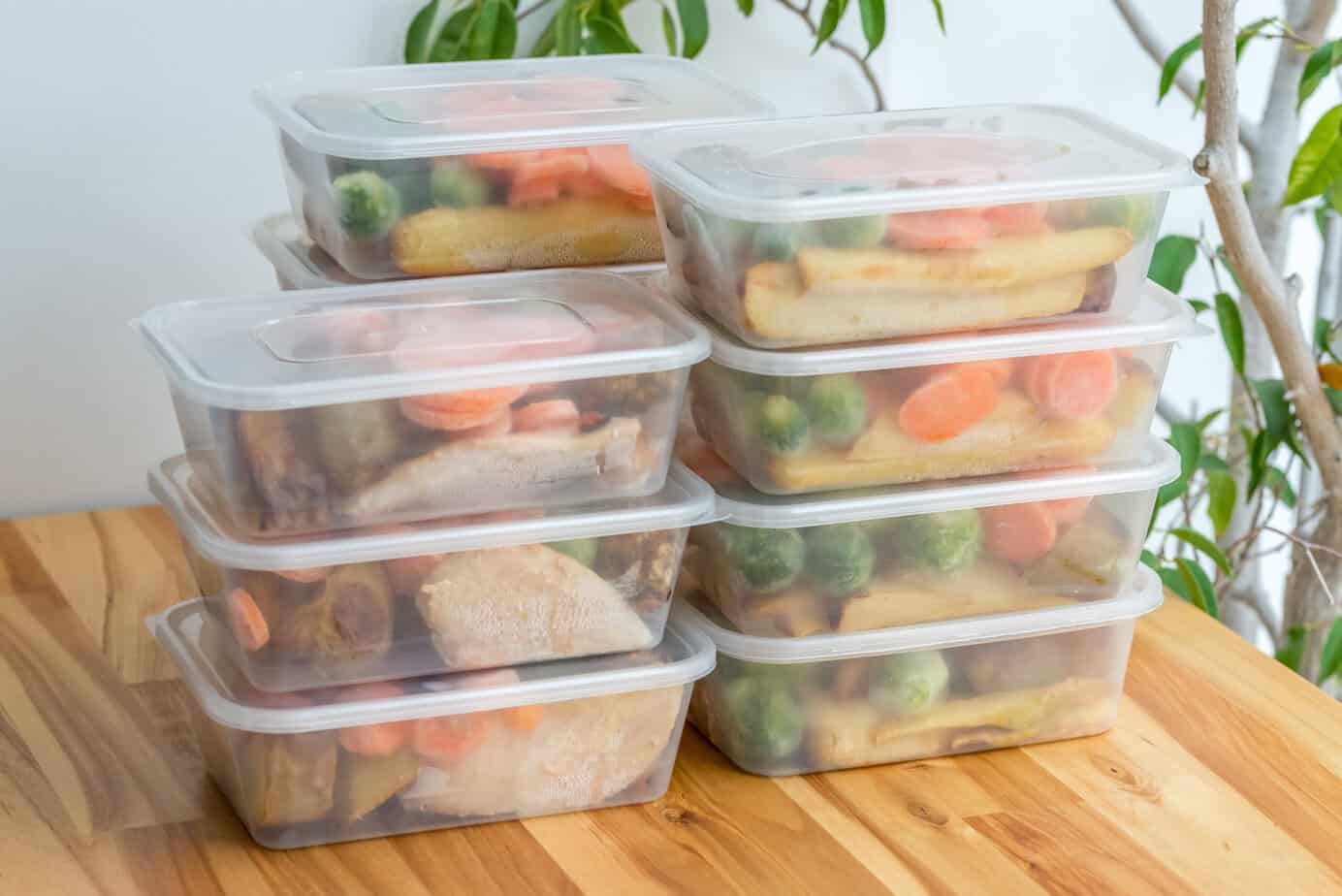
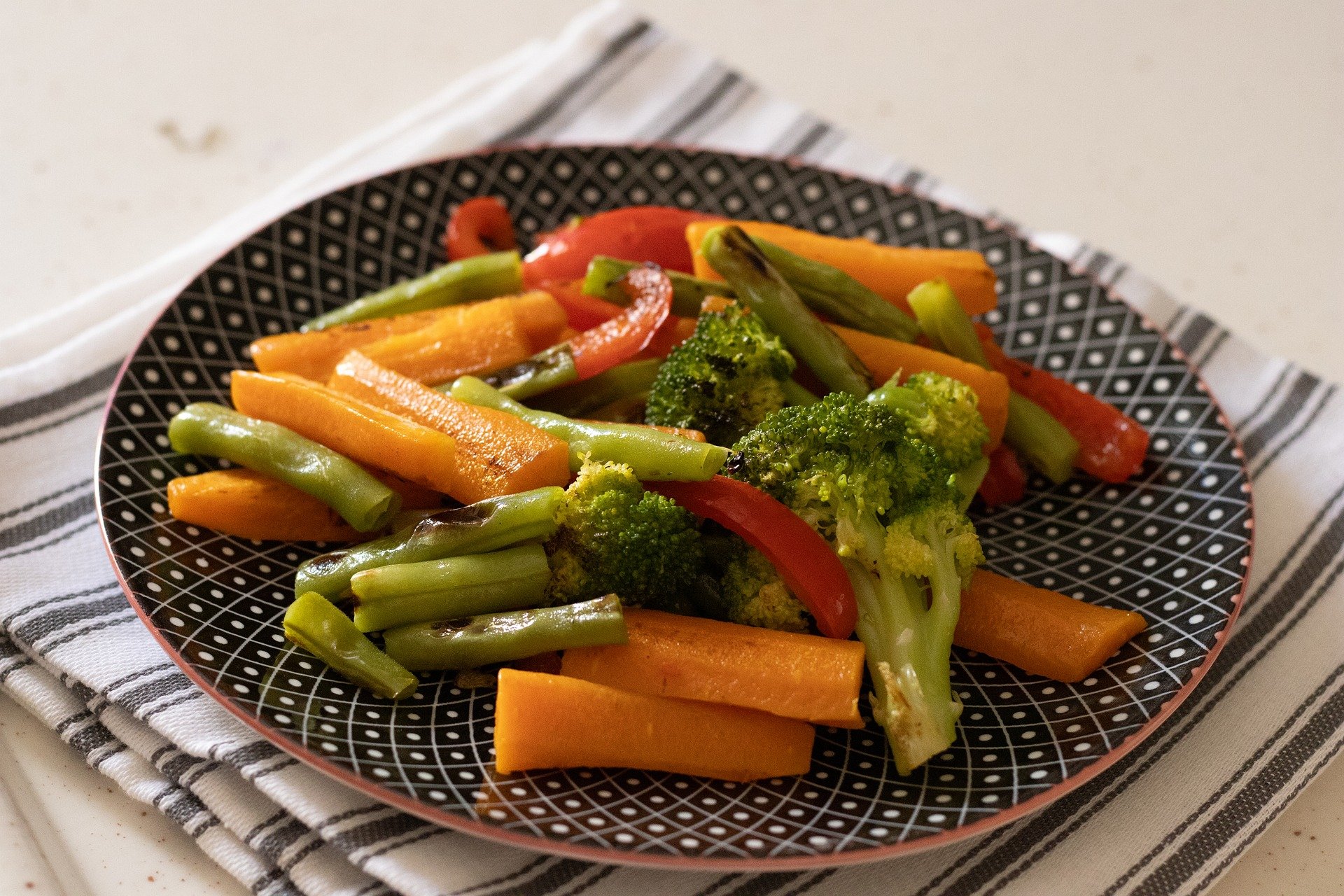
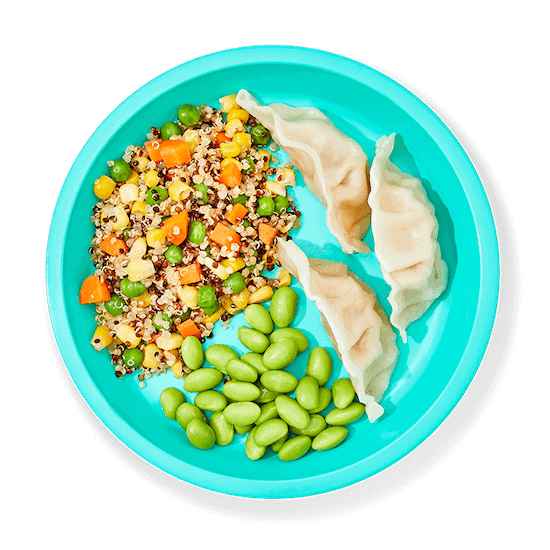
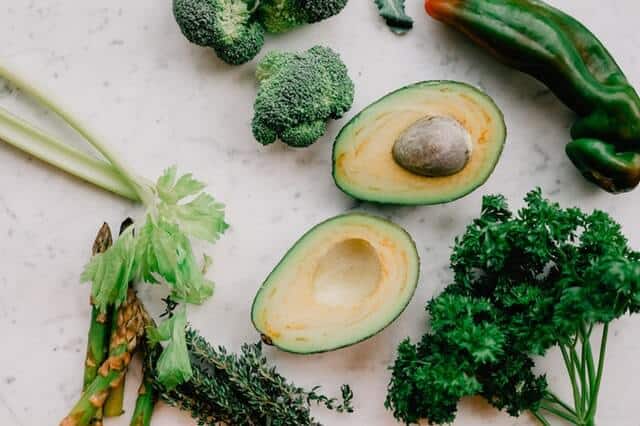
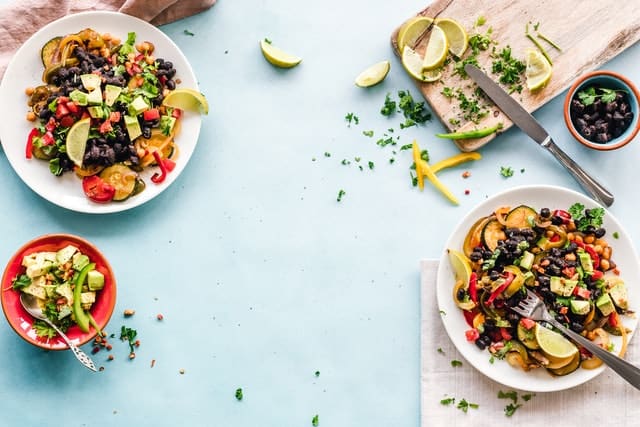
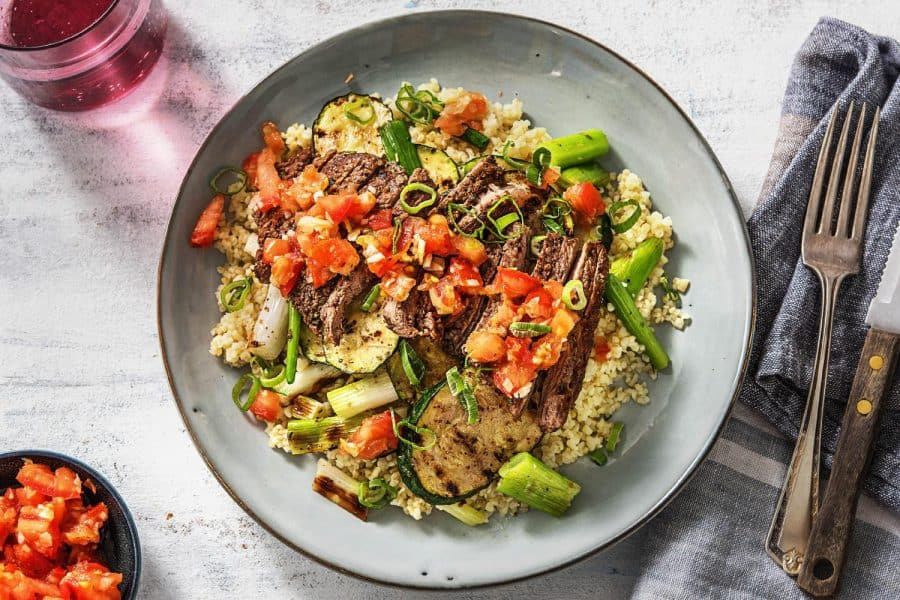
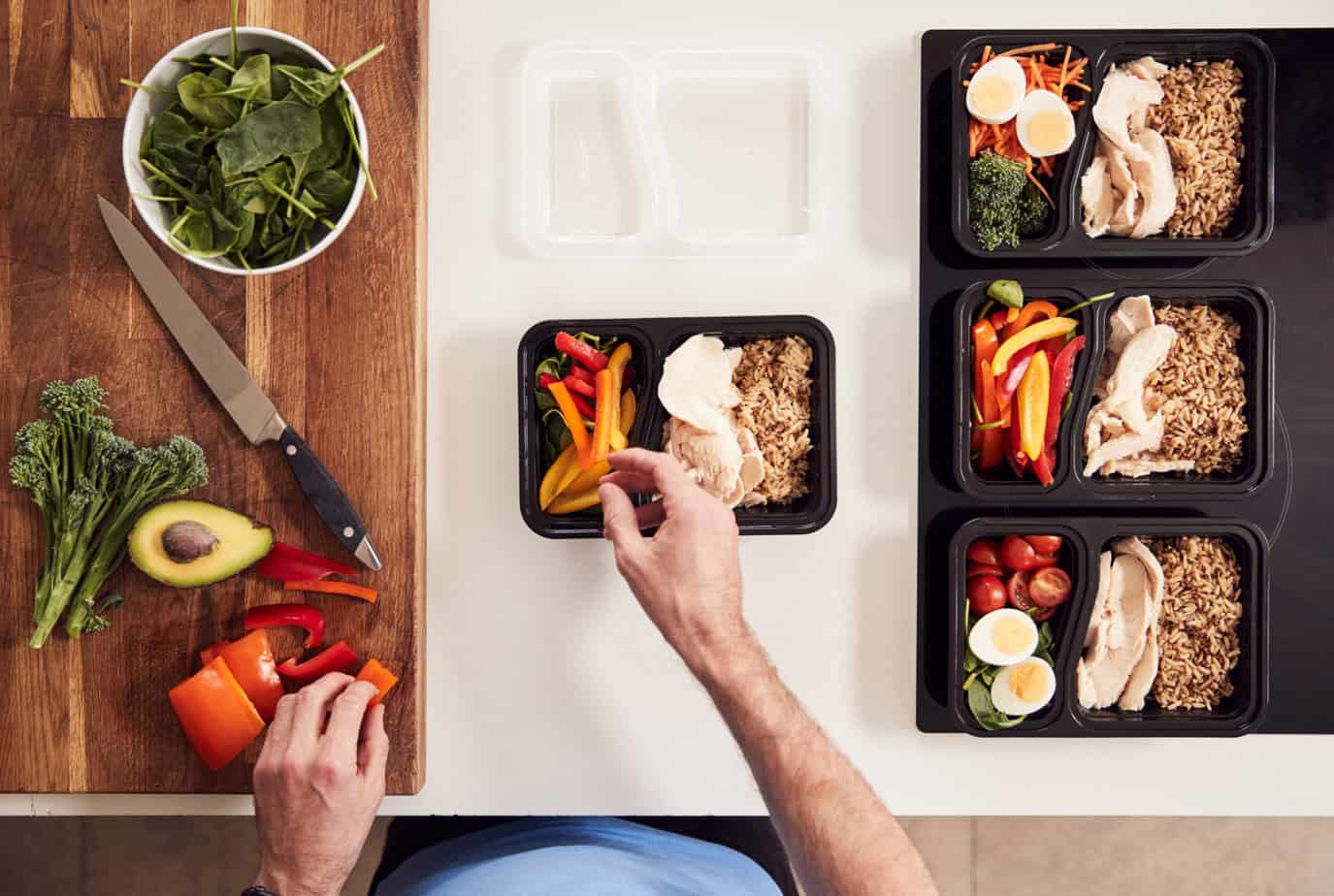
Increasing your vegetable portions can add bulk and fiber to your meals and make you feel fuller with fewer calories. You can eat large quantities of broccoli, potatoes, carrots, and corn without adding excessive calories. These foods are also higher in fiber and nutrient density, making them much healthier options.
Use Healthier Cooking Methods
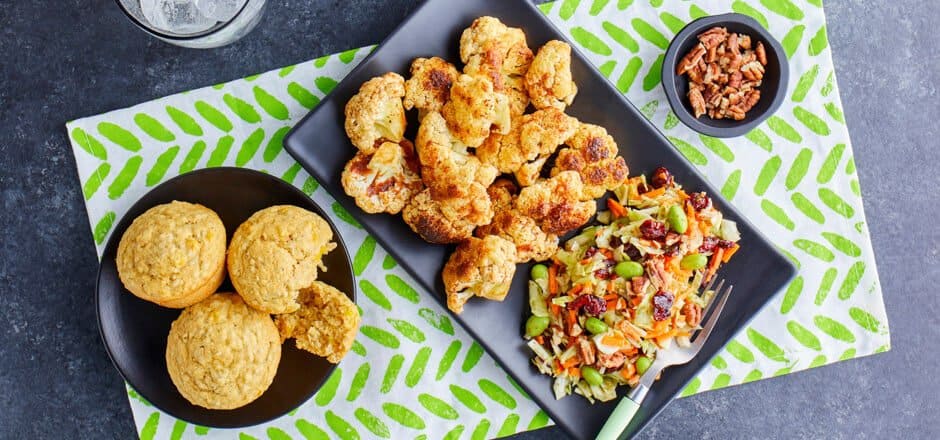
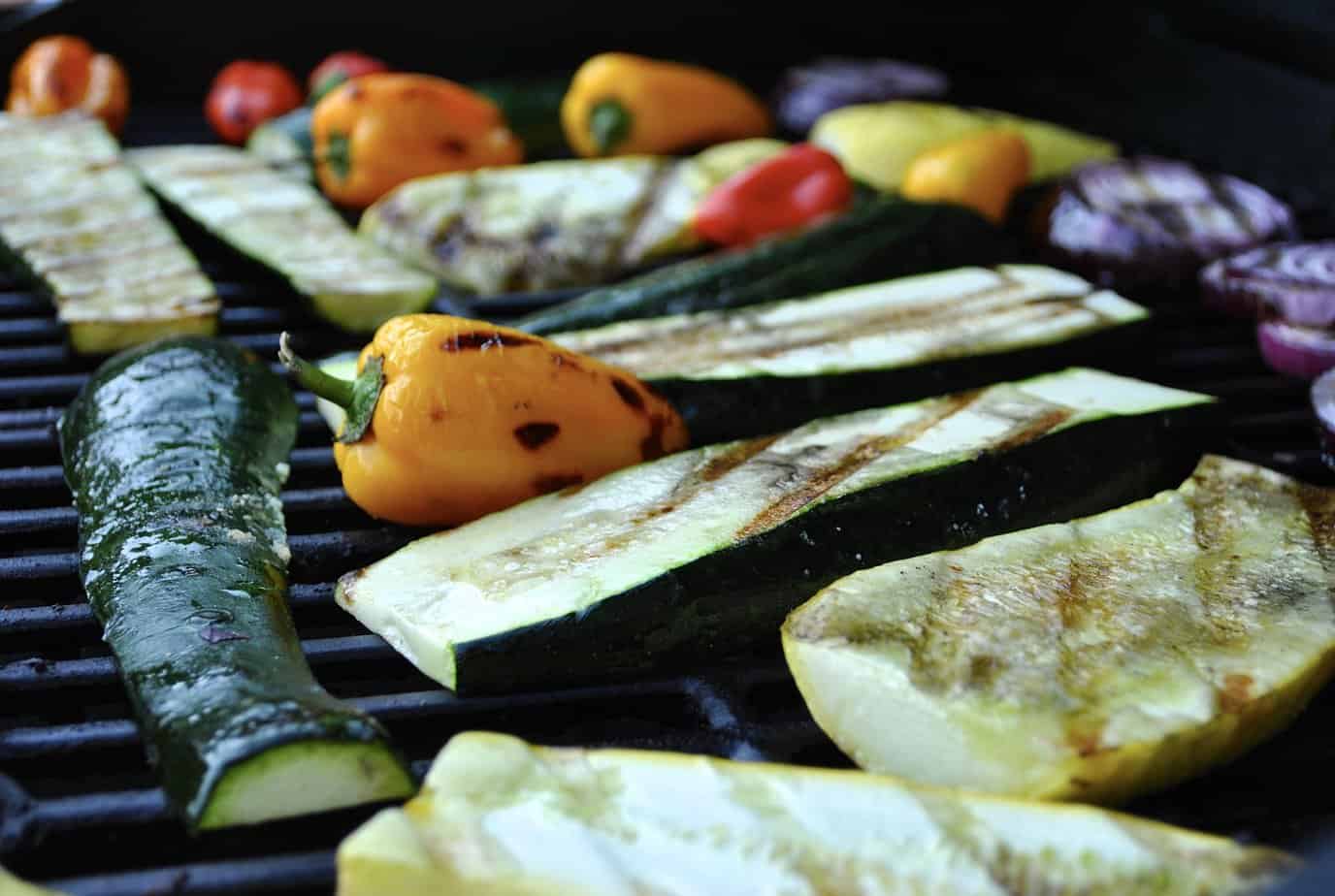
Fried foods or those cooked with oils contain more calories. Being mindful of how food is prepared can greatly reduce the calorie content without sacrificing texture or flavor. Opt for healthier methods like baking or grilling instead of frying.

Replace High-Calorie Condiments with Alternatives
Condiments can be culprits for high-calorie ingredients. Many alternatives can increase the flavor without sacrificing satisfaction or taste. Look for other options like mustard or yogurt-based sauces, and avoid fattier oils and creams.
Practice Mindful Portion Control
Portion size can be difficult to measure and be easily underestimated. Eating mindfully, reading labels, and practicing effective and consistent portion control with each meal add up quickly, saving you calories in the long run.

Choose Whole Grains Over Refined Carbs
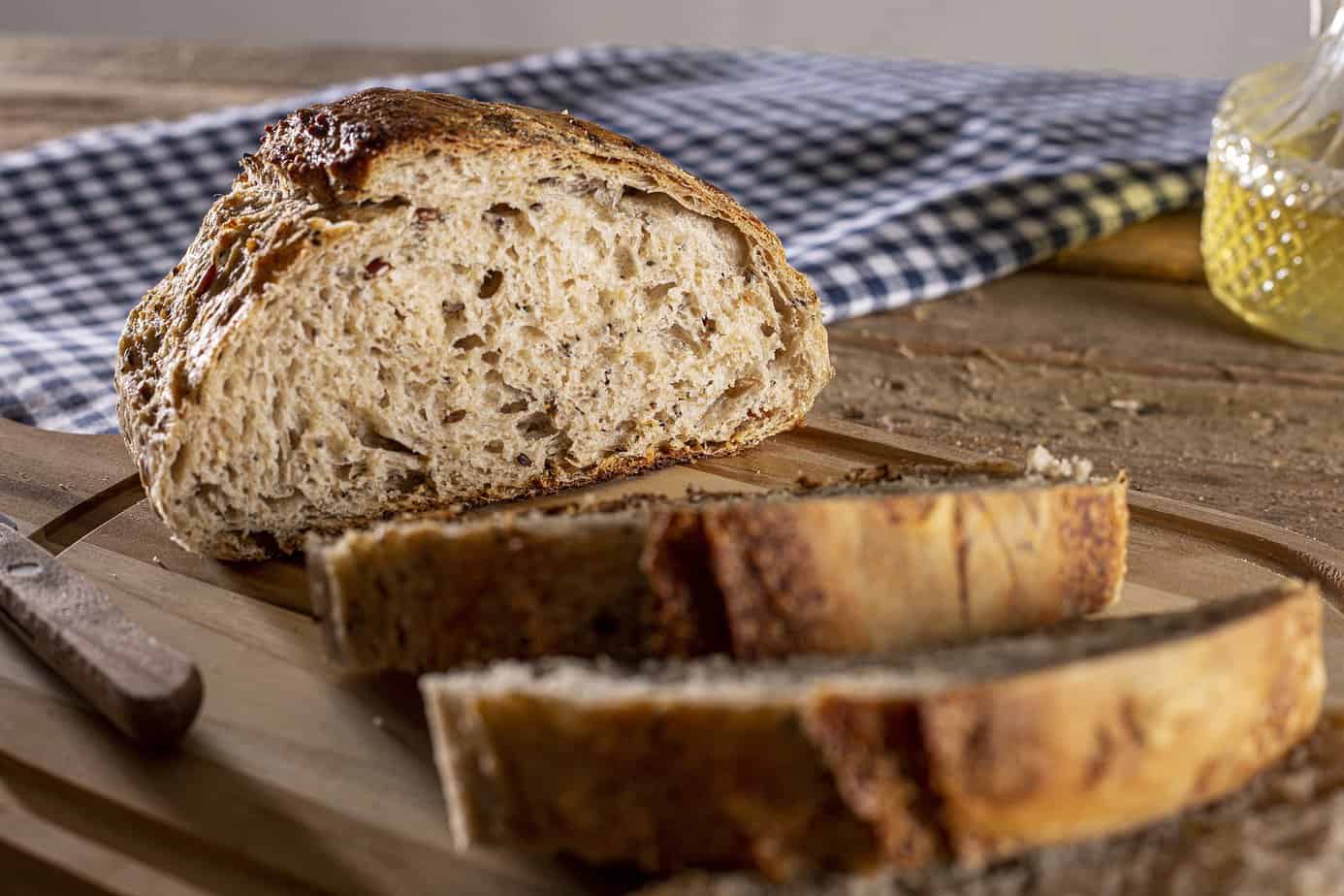
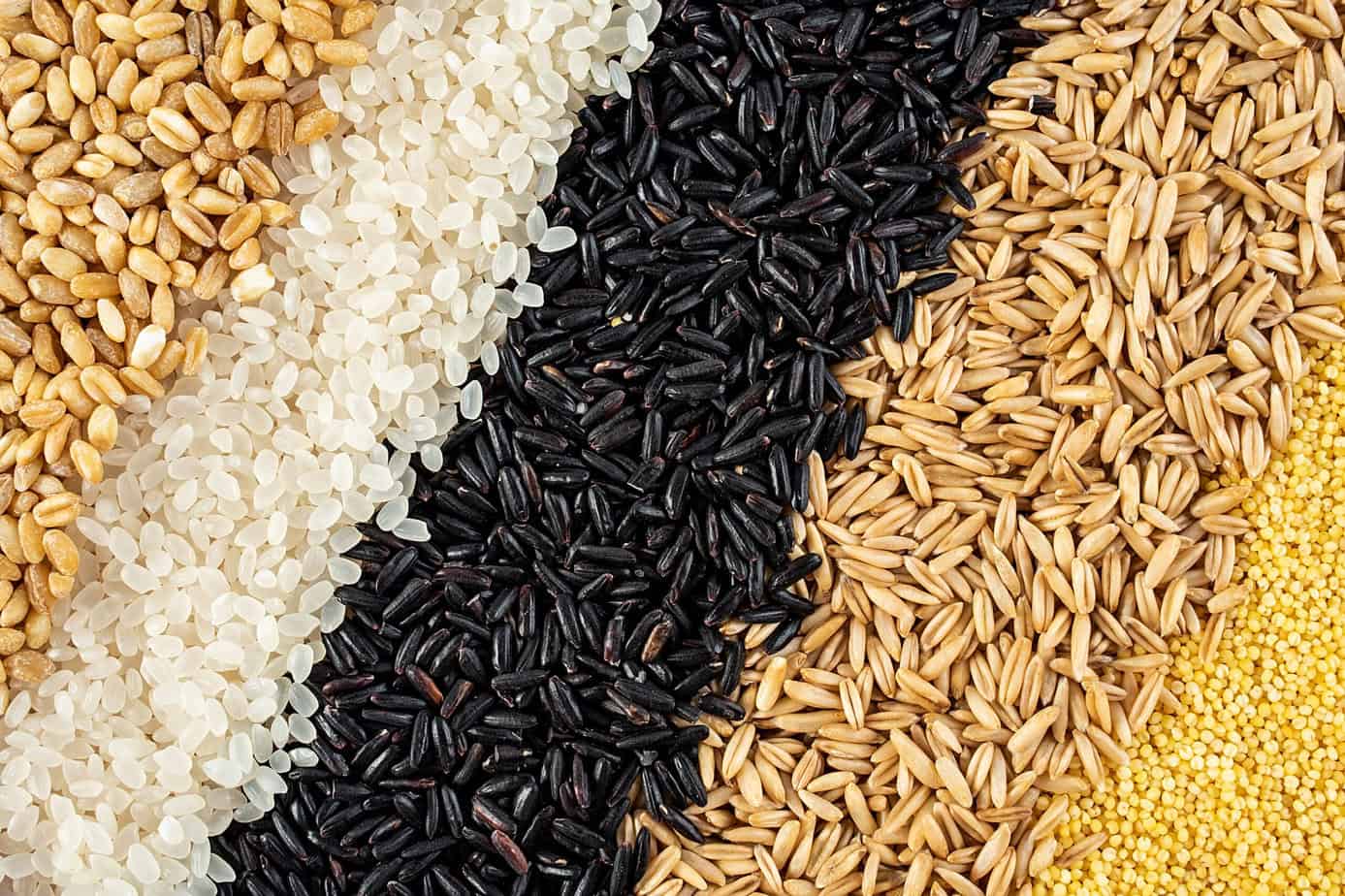
Whole grains are not only more filling and satiating but also more nutritious. Try to include more whole grains and limit refined carbs. Options like oats, whole grain toast, and brown rice are healthier choices.
Limit Added Sugars in Recipes
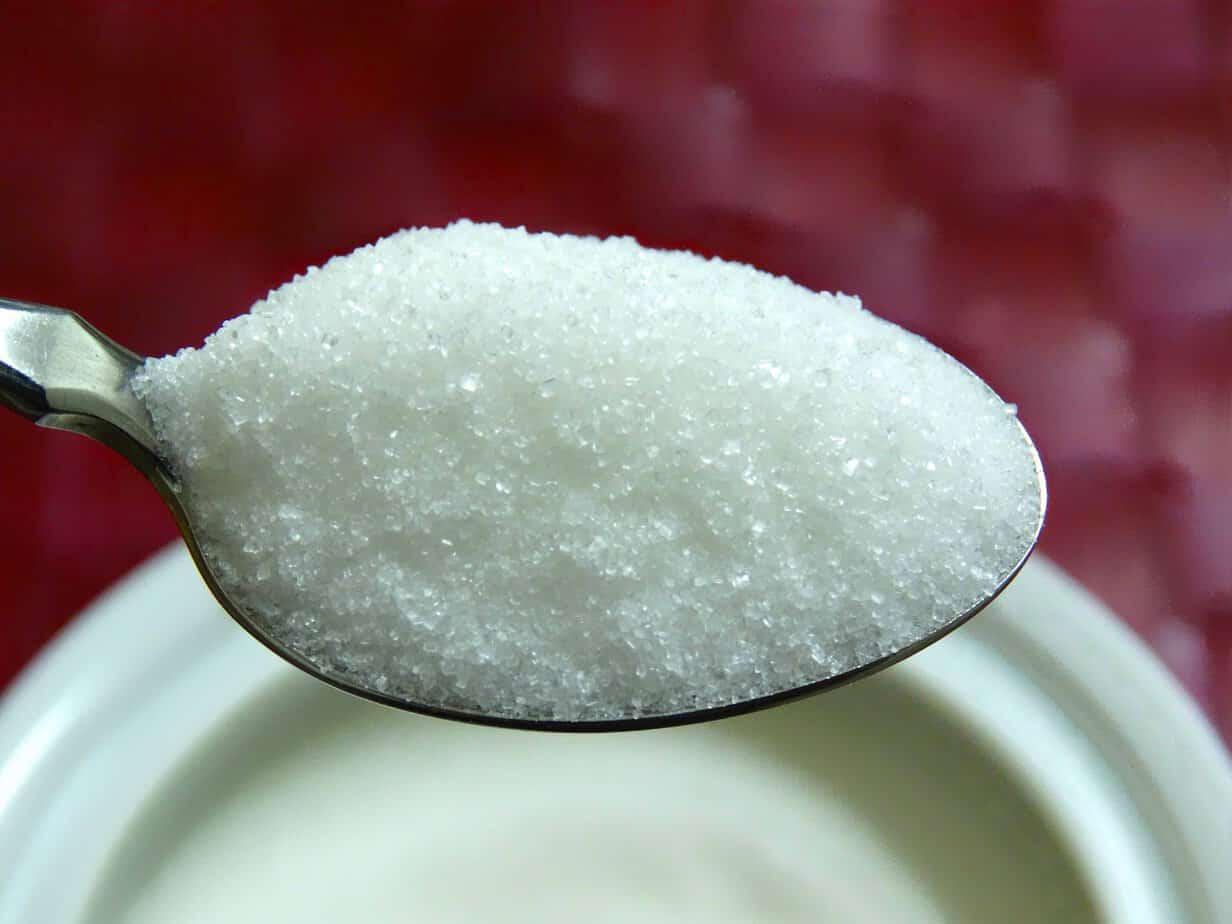
Sugar can be hiding where you least expect it. It can be found in processed foods, dressings, condiments, and dairy products. Sugar is very high in calories and offers no nutritional value, so look for low-sugar recipes and ingredients.
Incorporate Low-Calorie, High-Volume Foods
Low-calorie, high-volume foods are easy to incorporate and can help keep you fuller for longer. Opt for those higher in fiber, like fresh fruits and vegetables. These are low-calorie foods that you can consume a lot of for very few calories.
What Low-Calorie Substitutes Work Best for Common High-Calorie Ingredients?
Substituting ingredients is an effective and creative way to reduce calories. There are many low-calorie options for swapping out common ingredients to boost nutrition content and reduce caloric intake. Healthier ingredients can increase the amount of fiber in your diet and improve overall diet quality while enhancing the flavor and texture of your meals. Let’s look at some of the most common and approachable substitutes.
Greek Yogurt for Mayo
Greek yogurt is a great option for replacing mayonnaise in recipes and dishes. It is a protein-rich alternative with a creamier texture. It can enhance the flavors and reduce the fat content of sauces, dressings, and baking dishes.

Zucchini Noodles Replace Pasta
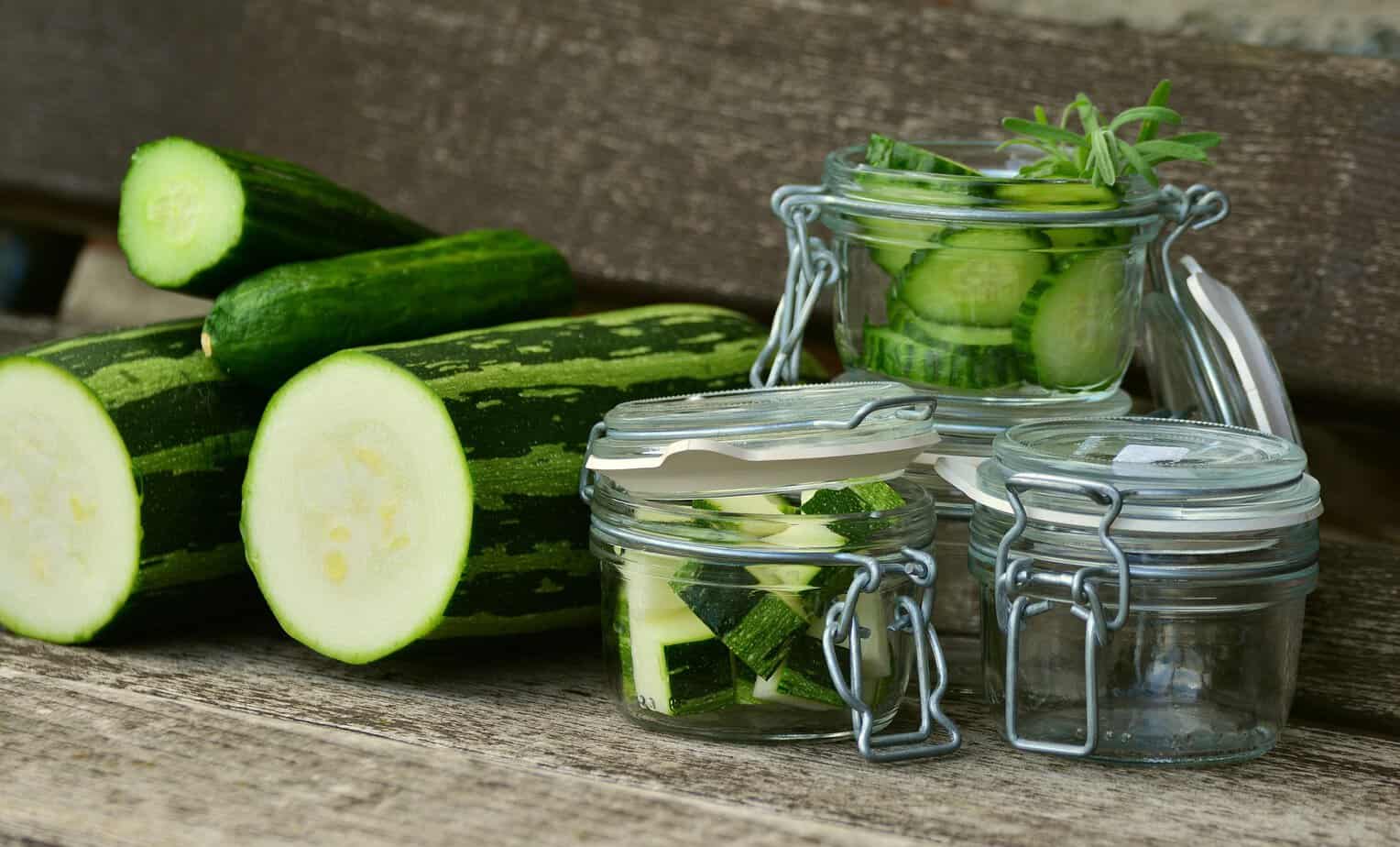
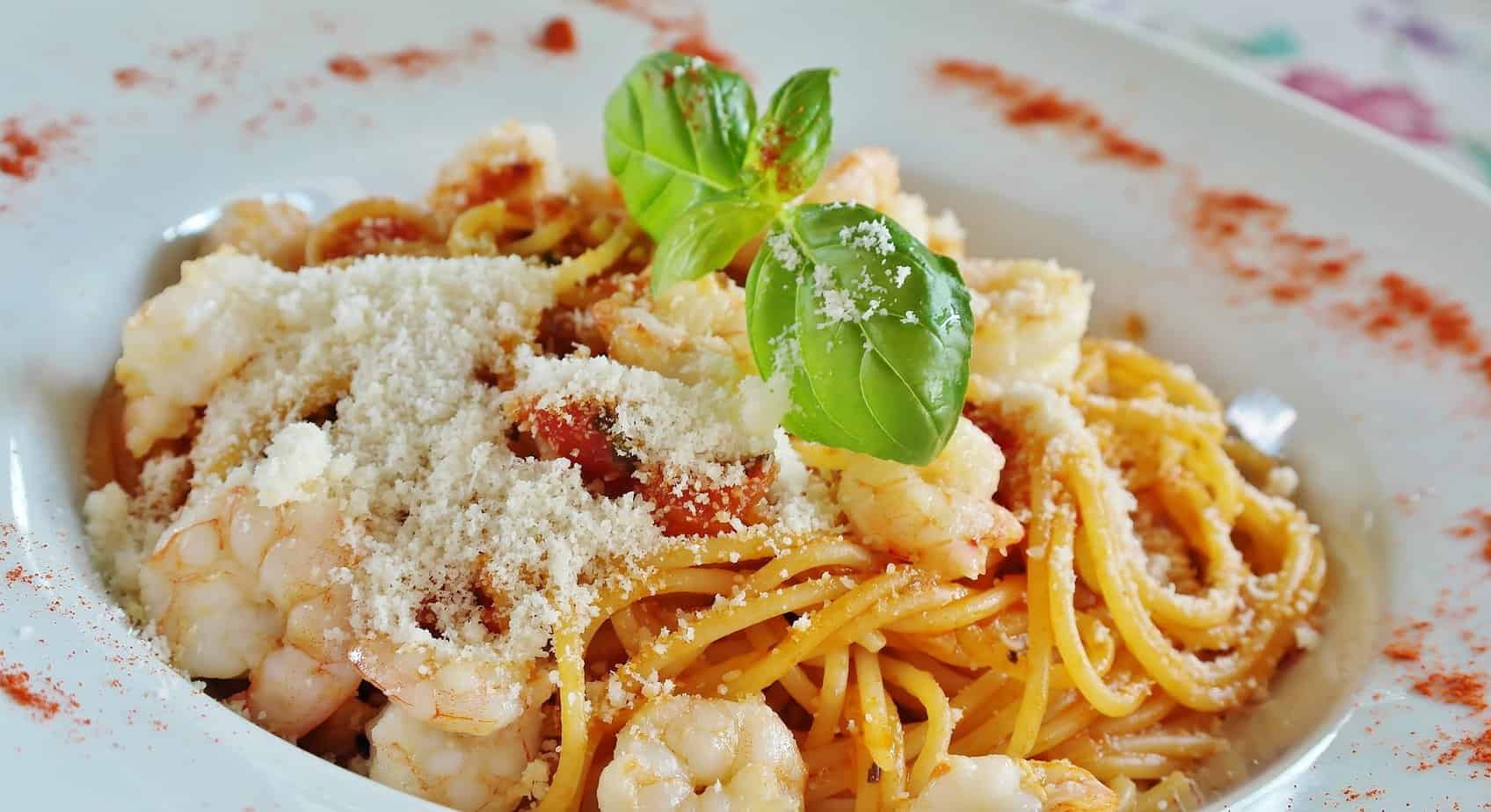
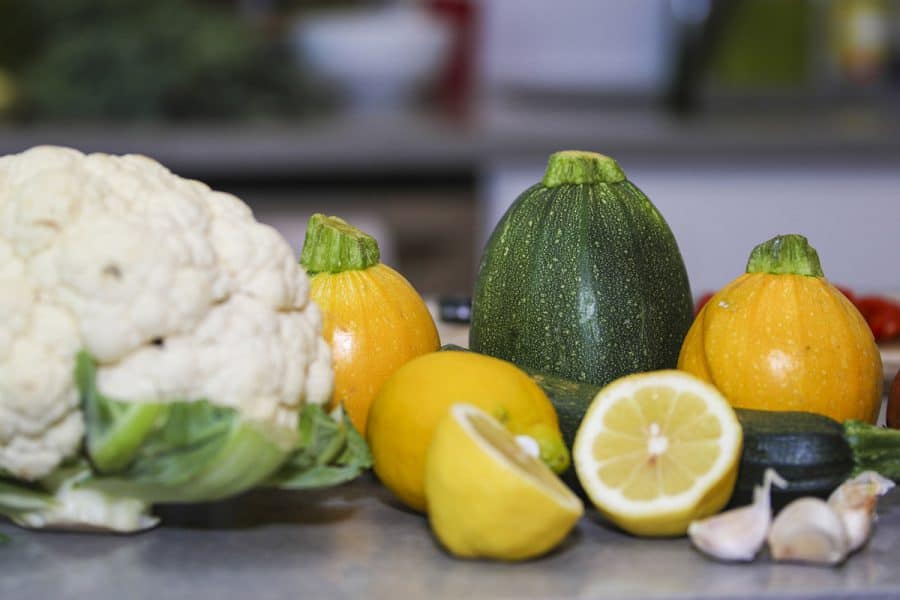
Zucchini noodles are a perfect alternative to use in pasta and noodle dishes. They are low-carb, low-calorie, and have a great texture that works well to replace pasta. Try them in spaghetti or lasagna to increase your favorite noodle dish’s fiber and nutrient density.
Applesauce Substitutes Baking Oil
Applesauce is a perfect substitute for vegetable oil in baking recipes. It imparts a high moisture content in baked goods, increasing the fiber and natural sweetness while also reducing the fat content and calories.

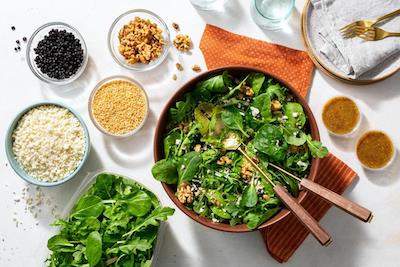
Cauliflower Rice Swaps Rice
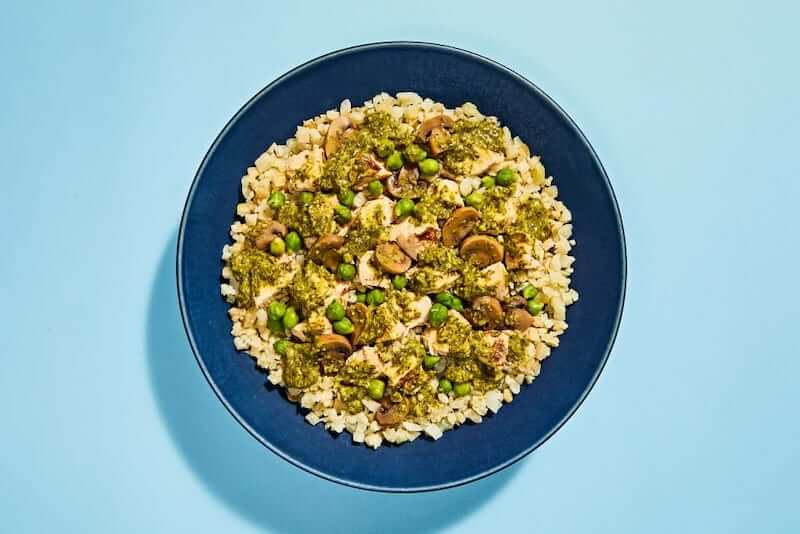
Cauliflower rice has the same texture and bite as rice grain, but it is a lower-calorie and lower-carb option. It is extremely versatile and works well in rice dishes like stir fries, burritos, and bowls.

Lettuce Wraps Replace Bread
Lettuce can add crunch and fiber and replace high-carb bread on things like burgers, wraps, and sandwiches. It is refreshing and much healthier than other alternatives, with a lower calorie count and higher nutrient density.